Learn Why Quality Winter Clothing Is a Essential for Every Wardrobe
High-quality winter clothing is often overlooked in countless wardrobes. Nevertheless, its importance cannot be minimized. Adequate insulation and the right materials are vital for health and comfort. Chosen wisely, these garments provide both longevity and elegance. As temperatures decline, understanding the essentials of winter attire becomes progressively important. What aspects should one emphasize when selecting winter wear? The answers may redefine your approach to cold-weather fashion.
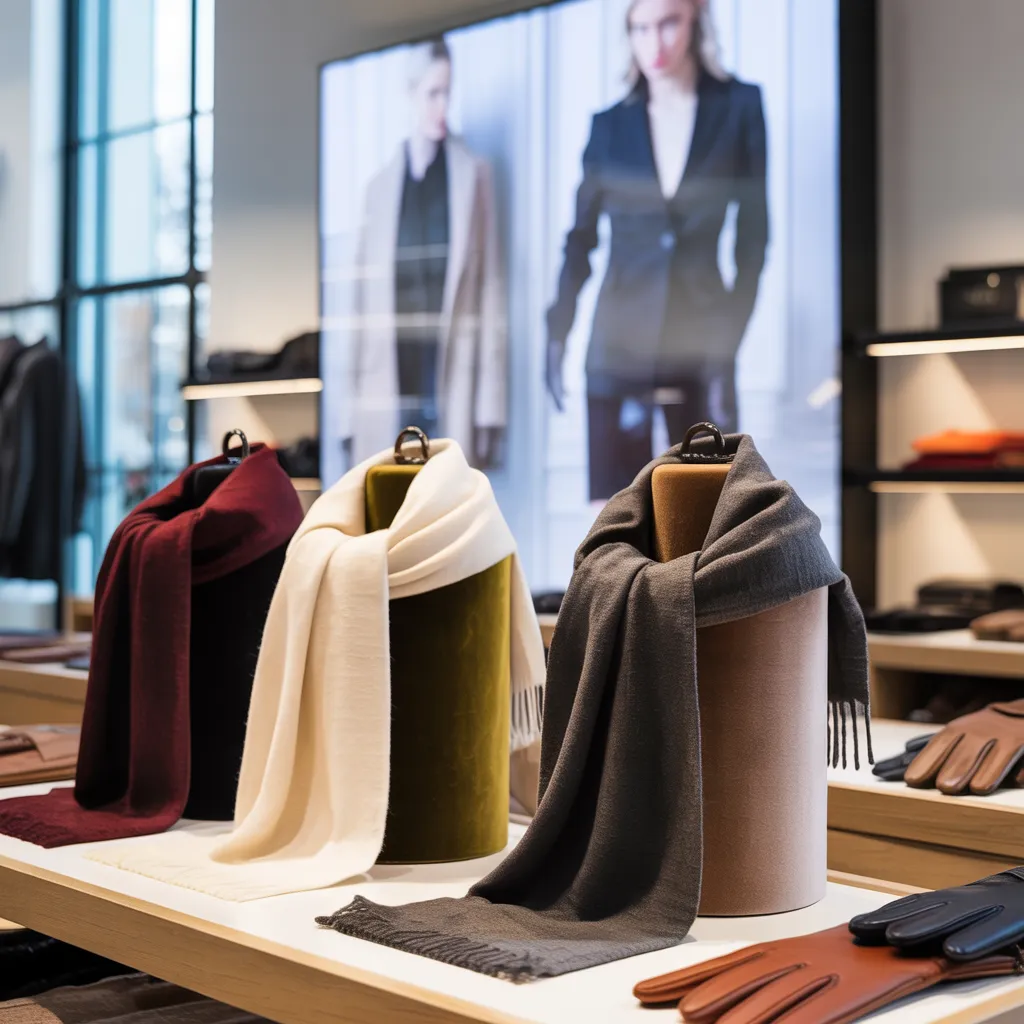
How Insulation Plays a Vital Role in Winter Garments
While lots of people emphasize fashion when picking winter clothing, insulation plays more information an important role in maintaining warmth and comfort. Insulation serves as a barrier against severe cold, trapping body heat and preventing it from escaping. Quality insulation materials, such as down feathers and synthetic fibers, work to maintain temperature, guaranteeing that the wearer remains warm during icy conditions.
The quality and thickness of insulation directly impact the garment's warmth. Thicker layers generally provide better protection, though lightweight options can provide sufficient warmth without bulk. Furthermore, proper insulation boosts breathability, enabling moisture to escape while retaining heat.
In frigid environments, purchasing well-insulated clothing is essential for outdoor activities, as inadequate insulation can result in discomfort and health risks such as hypothermia. As a result, understanding the significance of insulation is vital for anyone looking to stay warm and comfortable throughout the winter months.
Selecting the Appropriate Fabrics for Cold Weather
When selecting winter clothing, understanding the right fabrics is critical for ensuring optimal warmth and comfort. Natural materials such as wool and down are renowned for their superior insulation properties. Wool is particularly effective at regulating body temperature and wicking moisture away from the skin, maintaining wearers dry and warm. Down, sourced from the soft feathers of ducks or geese, offers a lightweight yet highly efficient insulation solution, ideal for jackets and coats.
Man-made materials, like polyester and nylon, play a crucial role in winter garments. These materials are frequently water-resistant and quick-drying, making them well-suited for outer layers subjected to the elements. Moreover, fleece delivers a soft, insulating layer that preserves heat without adding bulk. When selecting winter clothing, it is crucial to consider the balance of warmth, moisture management, and weather resistance that different fabrics deliver, ensuring comfort during cold weather conditions.
Versatile Layering System Strategies for Optimal Insulation
Layering represents a sensible technique for winter garments that optimizes heat retention and adjustability in changing temperatures. The foundation of effective layering begins with a moisture-wicking base layer. This piece, commonly crafted from man-made fibers or merino wool, keeps skin dry through moisture evacuation.
Subsequently, a thermal insulating layer, such as fleece or down, retains body heat without adding bulk. This layer can be adapted based on activity levels; for example, one may select a lighter fleece during milder days or a thicker down jacket in extreme cold.
Lastly, an outer layer, such as a warm coat, offers additional insulation. This outer layer can also accommodate additional mid-layers, permitting for fast adjustments. By thoughtfully blending these elements, individuals can create versatile outfits that ensure peak warmth, comfort, and flexibility throughout winter's unpredictable weather.
The Role of Waterproof and Windproof Materials
With winter weather bringing unpredictable elements, the critical nature of waterproof and windproof materials in winter clothing is paramount. These materials work as barriers against moisture and fierce winds, guaranteeing that individuals keep dry and warm in harsh conditions. Waterproof fabrics, often treated with durable water repellent (DWR) coatings, prevent moisture penetration, while windproof materials block cold air from reaching the skin.
This pairing is essential for preserving comfort and body heat during outdoor activities. For example, a windproof jacket combined with waterproof pants creates an effective shield against the elements, improving overall protection. Moreover, advanced technologies in material science have led to the development of breathable waterproof fabrics, which allow moisture from sweat to escape while keeping external water out. This balance of protection and breathability is essential for those taking part in winter sports or daily commutes, making quality winter clothing indispensable for anyone encountering the season's challenges.
How Superior Winter Garments Boost Your Style
Quality winter clothing significantly enhances the general aesthetic of an outfit, transforming simple ensembles into fashionable looks. Its adaptable layering options enable individuals to modify their looks to diverse occasions while retaining warmth. In the end, investing in quality pieces can enhance both functionality and fashion during the colder months.
Increases Whole Outfit Appeal
Winter clothing serves as a canvas for distinctive style choices, transforming basic looks into impressive outfits. High-quality winter garments, constructed from superior materials, not only deliver coziness but also enhance visual appeal. Tailored coats, stylish sweaters, and chic accessories can uplift even the most straightforward appearances, adding polish and character. The materials and shades of quality winter clothing create a dynamic contrast, attracting notice and making a bold impression. What's more, thoughtfully created garments offer improved sizing and flow more naturally, supporting an overall polished appearance. By acquiring premium cold-weather clothing, individuals can express their distinctive fashion sense while ensuring they remain trendy and warm during colder months. Finally, premium cold-weather apparel is vital for anyone seeking to upgrade their wardrobe.
Multi-Purpose Layer Alternatives
When contemplating how to navigate cold temperatures while maintaining a stylish appearance, versatile layering options play an important role. Quality winter clothing offers a foundation for creating different looks, allowing individuals to mix and match pieces effortlessly. Base layers, such as thermal tops and leggings, provide warmth without bulk, while mid-layers like sweaters and cardigans add texture and depth. An outer layer, such as a tailored coat or a stylish puffer jacket, completes the ensemble and defends against the elements. Accessorizing with scarves, hats, and gloves further enhances the outfit while allowing for personal expression. This adaptability not only guarantees comfort and warmth but also elevates overall style, making quality winter clothing a critical component of any wardrobe.
Long-Term Investment: Cost vs. Quality
When examining winter clothing, the balance between cost and quality serves a crucial function in long-term savings. Premium garments commonly supply outstanding performance, justifying their initial price tag. Purchasing durable, well-made items can produce substantial benefits over time, lowering the need for frequent replacements.
Long-Term Cost Savings Advantages
Buying quality winter clothing can produce substantial long-term savings, often outweighing the initial costs associated with higher-end garments. While budget-friendly options may seem enticing at first, they typically require regular replacement due to inferior materials and construction. Quality winter wear, designed for lasting performance, can endure many seasons, reducing the need for continual purchases. Additionally, high-quality fabrics often provide better insulation and protection against the elements, leading to lower heating costs and improved comfort. This not only elevates the wearer's experience but also minimizes the likelihood of illness during colder months. Ultimately, choosing long-lasting and well-crafted clothing is a financially sound decision that supports both personal health and economic savings over time.
Value Beyond Price
Although numerous consumers may be enticed to prioritize price over functionality when selecting winter garments, the lasting benefits of investing in quality frequently show a different perspective. Superior winter clothing is engineered with superior materials and workmanship, providing improved insulation, moisture protection, and longevity. This produces superior ease and defense against extreme weather. Cheaper choices might originally seem appealing, but their lack of durability can result in repeated renewals, ultimately escalating expenditures. By selecting well-made items, people not only secure heat and functionality but also promote eco-friendly fashion practices. Consequently, focusing on functionality over cost becomes a strategic choice, fostering both monetary and ecological benefits while ensuring a dependable apparel selection for winter's challenges.
Frequently Asked Questions
What's the Best Way to Care for My Winter Clothes?
To properly care for winter clothing, one should wash according to fabric instructions, steer clear of excessive heat when drying, place in a cool, dry place, and regularly inspect for damage to maintain performance and longevity.
Which Are the Leading Brands for Quality Winter Wear?
Numerous brands are notable for quality winter clothing, including Patagonia, copyright, The North Face, and Columbia. These companies are renowned for their resilient materials, innovative designs, and devotion to warmth and protection against severe weather conditions.
Can I Use Winter Clothing in Warmer Climates?
Certainly, winter clothing can be worn in mild climates. Nonetheless, individuals should choose lighter fabrics and layers to guarantee comfort, avoiding overheating while still benefiting from the style and warmth that quality winter pieces provide.
How Do I Choose Winter Clothing for Outdoor Activities?
To select winter clothing for outdoor activities, you should prioritize wind resistance, insulation, and moisture-wicking fabrics. Layers are essential for versatility, while correct sizing ensures ease of movement and comfort during different weather situations and outdoor pursuits.
What Size Should I Buy for Layering in Winter?
When selecting winter layering, individuals should opt for a size that provides comfortable movement and accommodates base layers. A somewhat looser fit can improve insulation while ensuring ease during outdoor activities and preserving overall warmth.